
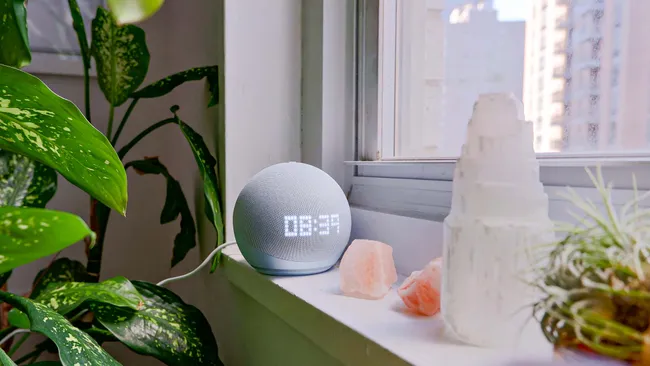
Smart home technology has rapidly evolved from a luxury concept to a practical everyday convenience. From smart speakers and security cameras to smart lighting and energy-saving thermostats, smart home devices are changing the way we live. However, with hundreds of products from different brands and ecosystems, shopping for smart home products can seem overwhelming.
This comprehensive guide will help you understand how to choose the right smart home devices, which features to prioritize, and how to create a connected home that fits your lifestyle, budget, and future needs.
What is a smart home?
A smart home uses internet-connected devices to automate and remotely control household functions such as lighting, temperature, security, entertainment, and appliances. These devices communicate via Wi-Fi, Bluetooth, or smart home hubs and are typically controlled via mobile apps or voice assistants.
The key benefits of smart home devices include:
- Convenience and automation
- Improved energy efficiency
- Increased home security
- Remote access and monitoring
- Customizable living experiences
Before you start looking into purchasing smart home products, you should be aware of these advantages.
Why purchasing smart home products requires careful planning
Many buyers make the mistake of impulsively purchasing smart home devices without checking their compatibility, long-term value, or security features. This often results in devices that are incompatible with each other or do not enable meaningful automation.
Purchasing smart home products requires strategic planning to ensure the following:
- Seamless device integration
- Scalability for future upgrades
- Data protection and security
- Value for money
Identify your smart home goals
Before purchasing smart home devices, you should define what you want to achieve with them.
Common smart home goals
- Home security and monitoring
- Energy savings and sustainability
- Convenience and hands-free control
- Entertainment and media automation
- Monitoring elderly people or children
For example, if security is your top priority, smart locks, video doorbells, and indoor cameras should be at the top of your shopping list. If comfort is your goal, smart thermostats, lighting, and motorized curtains may be more appropriate.
Choose the right smart home ecosystem
One of the most important decisions when purchasing smart home products is choosing a compatible ecosystem.
Popular smart home ecosystems
- Amazon Alexa
- Google Home
- Apple HomeKit
- Samsung SmartThings
Each ecosystem supports different devices and brands. Combining incompatible products can limit automation and control.
SEO tip: Before buying, always look for the words “Works with Alexa,” “Google Home compatible,” or “Apple HomeKit supported.”
Important smart home devices to consider
Smart speakers and voice assistants
Smart speakers act as the command center for your smart home.
Advantages:
- Voice control for all connected devices
- Smart routines and automation
- Music, reminders, and information
Popular options include Amazon Echo, Google Nest Audio, and Apple HomePod.
Smart lighting systems
Smart lights allow you to control brightness, color, and schedules remotely.
Why smart lighting is important:
- Energy efficiency
- Control of mood and ambiance
- Automation with motion sensors
Look for smart bulbs that integrate seamlessly with your chosen ecosystem.
Smart security devices
Security is an important factor when purchasing smart home products.
Essential smart security devices:
- Smart door locks
- Video doorbells
- Indoor and outdoor security cameras
- Motion detectors
Make sure the devices offer encrypted data transmission and regular firmware updates.
Smart thermostats
Smart thermostats learn your habits and optimize energy consumption.
Key benefits:
- Lower energy costs
- Remote temperature control
- Usage analysis
These devices are ideal for homeowners who want both comfort and sustainability.
Check connectivity and compatibility
Not all smart home devices communicate in the same way.
Common connectivity standards
- Wi-Fi
- Bluetooth
- Zigbee
- Z-Wave
- Matter (new universal standard)
For a future-proof smart home purchase, you should give preference to Matter-compatible devices, as these ensure cross-platform interoperability.
Evaluate security and data protection
Smart home devices collect sensitive data, including video recordings and usage patterns.
Before purchasing, pay attention to the following:
- End-to-end encryption
- Two-factor authentication
- Transparent privacy policies
- Regular security updates
Avoid cheap, unbranded devices that lack appropriate security certifications.
Smart Budget Planning: Price vs. Value
Smart home shopping doesn’t always mean buying the most expensive device. Instead, focus on long-term value.
Budget Planning Tips
- Start with the most essential devices.
- Expand gradually.
- Avoid unnecessary features.
- Compare warranty and support options.
Sometimes mid-range smart devices offer better reliability than premium alternatives.
Consider ease of installation and use
Some smart home devices require professional installation, while others are DIY-friendly.
Choose devices that offer:
- Easy app setup
- Clear user instructions
- Reliable customer support
- Intuitive user interfaces
Ease of use ensures long-term satisfaction and reduces frustration.
Read reviews and compare brands
User reviews play a crucial role in purchasing decisions for smart home products.
What to look for in reviews:
- App stability
- Connectivity performance
- Customer service experience
- Long-term durability
Comparing different brands helps identify hidden issues that cannot be detected from technical specifications alone.
Think long term: scalability and updates
Smart home technology is evolving rapidly. Choose devices from brands that offer the following:
- Regular software updates
- Cloud support
- Compatibility with new devices
- Long-term product roadmaps
This will ensure that your smart home remains up to date for years to come.
Mistakes to avoid when buying smart home devices
- Buying incompatible devices
- Ignoring privacy concerns
- Overloading your network
- Prioritizing price over reliability
- Neglecting future expansion planning
Avoiding these mistakes can save you money and frustration.
Final Thoughts: Smart Home Shopping Made Easy
Buying smart home products doesn’t have to be complicated. By identifying your goals, choosing the right ecosystem, prioritizing security, and focusing on compatibility, you can build a smart home that truly enhances your lifestyle.
The key is to start small, plan smart, and invest in high-quality devices that will grow with your needs. Whether you’re a beginner or looking to upgrade an existing setup, making informed decisions will ensure your smart home delivers comfort, convenience, and security.
