
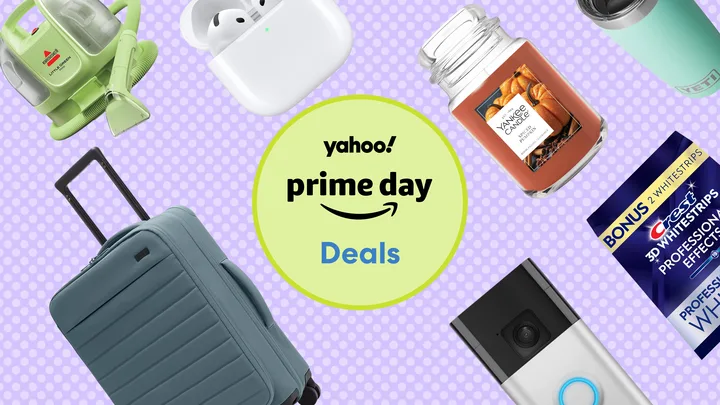
Introduction – Amazon Prime Day 2026: What to expect and why it matters
Amazon Prime Day is one of the biggest e-commerce events of the year for bargain hunters and affiliate publishers alike. Although Amazon has not yet announced official dates for Prime Day 2026, the event typically takes place in mid-July (with occasional “Prime Big Deal Days” events in the fall), and in recent years, Amazon has expanded the duration of the event and the types of deals offered. Planning ahead—with tracked wish lists, price tracking tools, and a clear buying strategy—is the best way to turn Prime Day into real savings rather than impulse purchases. ([About Amazon][1])
Quick summary (SEO keyword: Amazon Prime Day 2026 best deals)
- Expected timeframe: Mid-July 2026 (see official announcement). ([WisePPC][2])
- Key categories with high discounts: Electronics, Amazon devices, home & kitchen, fashion, beauty, and small appliances. ([tasteofhome.com][3])
- Tools to use: Keepa, CamelCamelCamel, Amazon app + Today’s Deals / Lightning Deals. ([keepa.com][4])
When is Amazon Prime Day 2026? Timing and pattern (keyword: Prime Day 2026 date)
Amazon has postponed Prime Day in the past (it usually takes place in July, but Amazon has also held “Prime Big Deal Days” in October). In the past, Amazon has extended Prime Day 2025 to a longer, multi-day format, and industry analysts expect an event in mid-July 2026, although official dates are usually announced a few weeks in advance. If your website publishes content on “What to look out for” early on, mid-June is a good time to prepare and start search engine optimization (SEO) for “Prime Day 2026.”
Categories where the biggest savings can be expected (keyword: Prime Day 2026 offer categories)
Prime Day regularly offers the biggest discounts in several recurring categories:
- Amazon devices – Echo, Fire TV, Kindle, and Ring often reach historic lows. ([GQ][5])
- Consumer electronics – TVs, laptops, earbuds, tablets, and accessories. ([tasteofhome.com][3])
- Home & Kitchen – Air fryers, coffee makers, vacuum cleaners, small appliances. ([Real Simple][6])
- Fashion & beauty – Seasonal clothing, skincare products, and beauty sets in bundles. ([Vogue][7])
For SEO, create category landing pages and long-tail posts such as “The best Prime Day 2026 TV deals” or “Prime Day food processor deals” to appeal to searchers with purchase intent.
Hidden gems to keep an eye on (keyword: Prime Day hidden gems)
“Hidden gems” are mid-tail or lesser-known items that are offered at excellent prices but are not always listed in the usual offer overviews. Examples to look out for:
- High-quality niche kitchen appliances (e.g., high-end hand blenders, specialty espresso accessories). ([Real Simple][6])
- Brand bundles (sets that combine accessories with a higher perceived value). ([GQ][5])
- Special offers from third-party sellers – independent brands on Amazon often use Prime Day to start clearing out their inventory. Keep an eye on sellers’ store pages and “Amazon Outlet” to find such bargains. ([Real Simple][6])
To present hidden treasures to your readers, manually search the “under $50” and “Amazon Outlet” pages during the event period and quickly publish SEO-optimized posts listing 10 to 20 unexpected bargains.
Preparation: the technical checklist (keyword: Prime Day 2026 preparation)
- Create and prioritize a wish list – add target ASINs to lists and save screenshots for comparisons after the event.
- Install price tracking tools – Keepa and CamelCamelCamel display historical price charts and allow you to set up notifications so you don’t pay a temporarily inflated “special price.” ([keepa.com][4])
- Enable Amazon notifications – The Amazon app and Alexa Deal notifications show Lightning Deals and Today’s Big Deals in real time. ([About Amazon][8])
- Compare with competitors – Do parallel price comparisons at Walmart, Best Buy, and Target; some retailers offer the same or better prices than Amazon on key items. ([The Verge][9])
- Prepare affiliate links and content templates – upload templates for posts on the topic of “The best X under Y dollars” so that you can publish quickly during the promotion (important for affiliate conversion).
Live shopping tactics: Secure the best deals (keyword: Prime Day shopping tips)
- Keep an eye on lightning deals and today’s top deals – these are limited-time offers and often provide the biggest discounts on popular items. Use Amazon’s “Today’s Deals” page to filter lightning deals. ([amazon.com][10])
- Set up Keepa/Camel notifications – only buy when the current price reaches your target threshold based on historical lows. ([sellersprite.com][11])
- Check seller history and return policies – Third-party discounts are attractive, but check seller ratings and return periods.
- Take advantage of bundled incentives – Credit card promotions, Amazon gift cards, and Subscribe & Save can be combined for additional savings.
After Prime Day: Follow-up and content strategy (keyword: Amazon Prime Day follow-up)
After Prime Day ends:
- Publish articles on “Leftover Prime Day Deals” (many retailers keep successful discounts). ([GQ][5])
- Create “price-verified” content that compares actual Prime Day low prices with historical prices (this builds trust and helps expose inflated discounts). MarketWatch and consumer media often highlight concerns about price inflation; presenting price verification builds reader trust. ([MarketWatch][12])
- Create roundups for each category with affiliate links and expand coverage to hidden gems and items that were sold out but are back in stock.
Example of a content plan for publishers (keyword: Prime Day 2026 content plan)
- Before the event (2–3 weeks in advance): “What to expect from Amazon Prime Day 2026 – dates, categories, and initial forecasts” (pillar post).
- Content on the day of the event: Short, quick posts – “The best Prime Day deals on TVs right now,” “Prime Day bargains on kitchen appliances” (update frequently).
- After the event: “Prime Day 2026 – the best deals still available” and “Hidden gems we overlooked – still on sale.”
Each article should include keyword-rich H1/H2 headings, product review schemas where possible, and clear CTAs for affiliate clicks. Aim for a minimum length of 1,000 words for comprehensive guides and 400 to 700 words for short overview pages that are updated live.
Conclusion – Make Prime Day 2026 work to your advantage
Amazon Prime Day 2026 promises big discounts and lucrative affiliate opportunities – especially if you prepare with wish lists, price trackers (Keepa, CamelCamelCamel), and a clear content cadence that distinguishes headline deals from hidden gems. Create category landing pages, publish quickly during the event, and follow up with verified price comparisons to build trust and long-term traffic. Start preparing your content calendar now and set up notifications so you can react quickly when Amazon confirms the official dates.
